
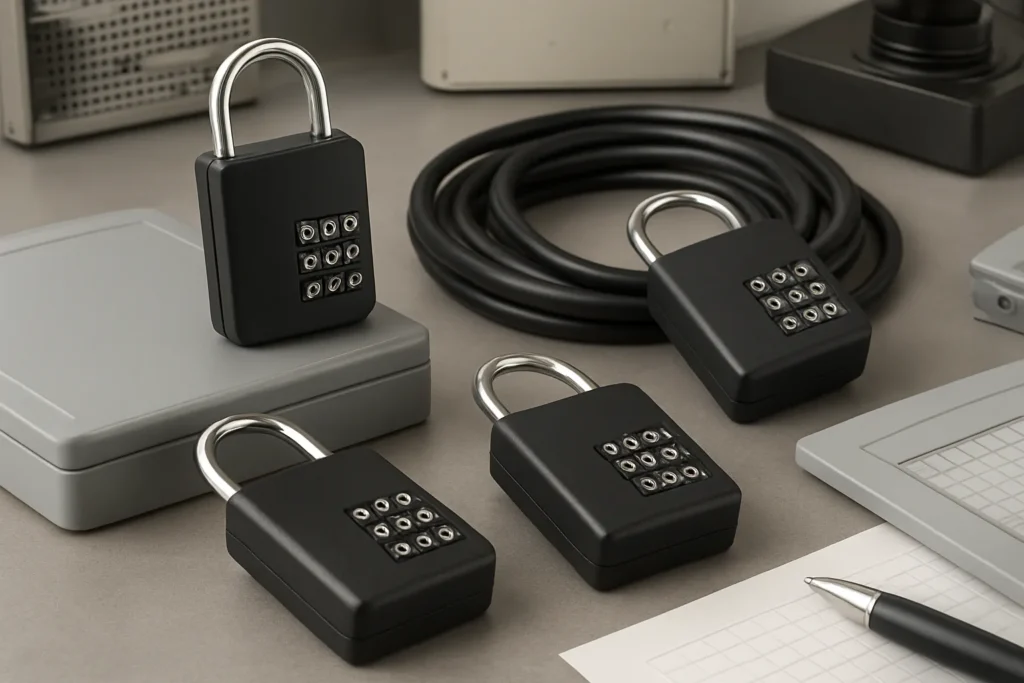
Special-Purpose ABS Combination Locks: Versatile Industrial Security Solutions
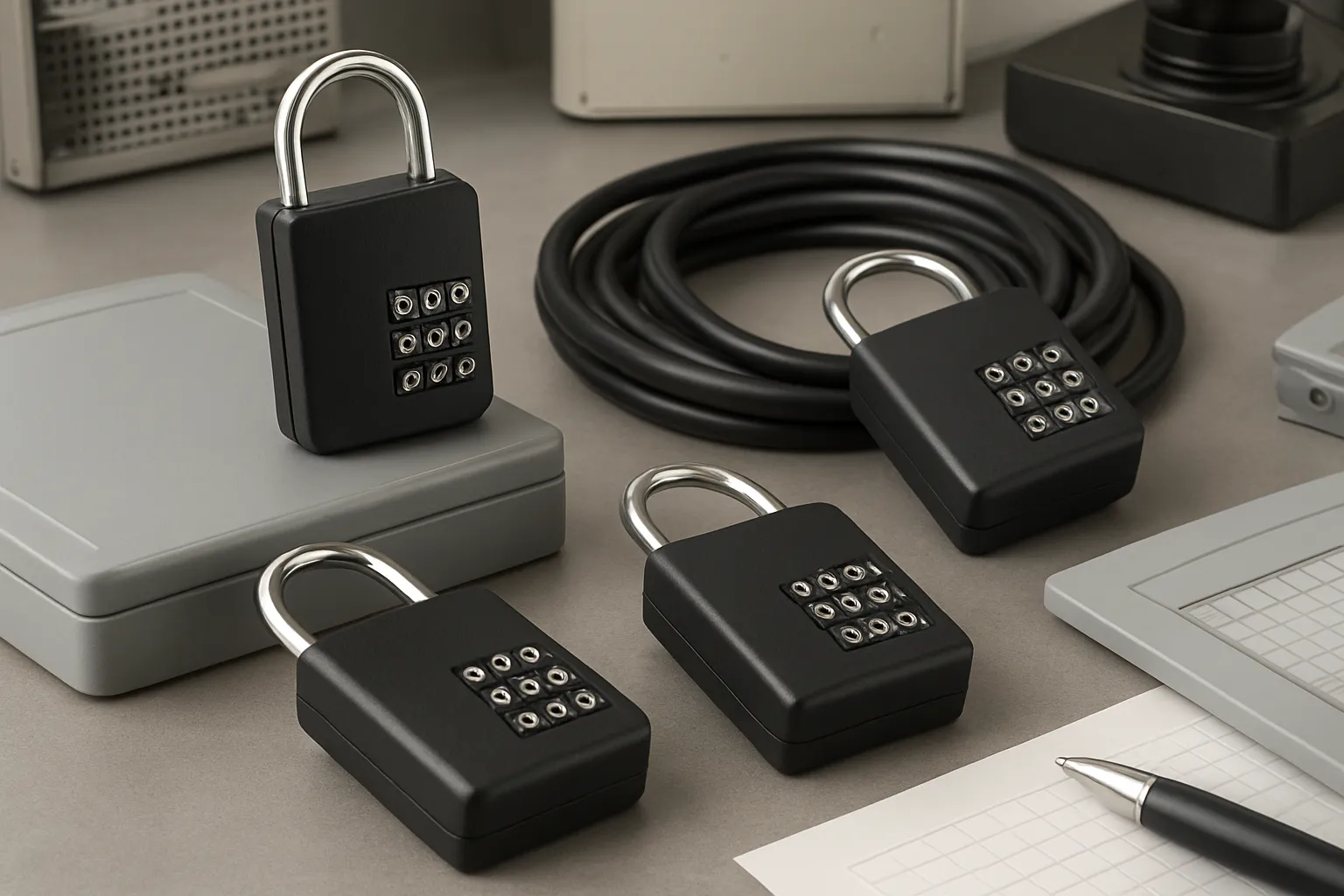
When it comes to security solutions, special-purpose ABS combination locks stand out as a reliable choice across various industries. ABS, which stands for Acrylonitrile Butadiene Styrene, is a robust thermoplastic renowned for its strength and durability. These locks not only enhance security but also cater to the specific requirements of different sectors. In my experience, the significance of special-purpose ABS locks in industrial applications cannot be overstated, as they effectively secure valuable assets, equipment, and sensitive areas in diverse environments. Special-purpose ABS combination locks are essential for protecting your assets.
Specifications of Special-Purpose ABS Combination Locks
Material Composition
Special-purpose ABS combination locks are primarily constructed from high-quality ABS plastic, which is resistant to impact, heat, and chemicals. This resilience ensures that the locks can endure harsh environmental conditions, making them ideal for outdoor and industrial use. From what I have seen, companies that prioritize durability often choose these locks for their operations.
Security Features
Equipped with several security features, these locks are designed to deter unauthorized access effectively. Many models incorporate a combination mechanism that requires a specific sequence to unlock, adding an extra layer of security. Additionally, some ABS locks come with anti-pick pins and reinforced shank designs to prevent tampering, which I believe is crucial in today’s security landscape.
Size and Design Options
The versatility of ABS locks extends to their size and design options. Available in various sizes, they can accommodate different locking needs, from small cabinets to large industrial gates. Customizable designs allow businesses to select locks that integrate seamlessly into their existing security systems, enhancing overall effectiveness.
Use Cases Across Different Industries
Manufacturing Sector
In the manufacturing industry, special-purpose ABS combination locks are commonly utilized to secure machinery, tools, and storage areas. Their durability and resistance to environmental factors make them suitable for factory settings where equipment is often exposed to dust, moisture, and chemicals. I have observed that manufacturers who invest in these locks notice a marked improvement in their security protocols.
Transportation and Logistics
The transportation and logistics sector relies heavily on security to protect goods in transit. ABS locks are frequently used on shipping containers, trailers, and storage units to ensure cargo remains secure throughout the shipping process. Their lightweight nature also makes them easy to handle and install, which is a significant advantage in fast-paced environments.
Retail and Warehousing
In retail environments, ABS combination locks are essential for securing display cases, inventory storage, and restricted access areas. Warehousing operations also benefit from these locks, as they provide an efficient way to control access to various sections of the warehouse, ensuring that only authorized personnel can enter. From what I’ve seen, this can greatly reduce theft and improve inventory management.
Comparing ABS Combination Locks to Other Lock Types
ABS vs. Traditional Locks
When comparing ABS combination locks to traditional locks, it’s clear that the former offers superior durability and resistance to environmental factors. Traditional locks, often made from metal, can rust or corrode over time, while ABS locks maintain their integrity even in challenging conditions. I believe this is a crucial factor for businesses operating in demanding environments.
ABS vs. Electronic Locks
While electronic locks provide advanced features such as remote access and audit trails, they can be more expensive and require regular maintenance. ABS combination locks, in contrast, are cost-effective and require minimal upkeep, making them a practical choice for many businesses looking to balance security with budget considerations.
Cost-Effectiveness Analysis
From a cost perspective, special-purpose ABS combination locks offer an attractive value proposition. Their durability reduces the need for frequent replacements, and their ease of use minimizes training costs for staff. Overall, they represent a sound investment for businesses aiming to enhance security without incurring excessive expenses.
Sourcing Special-Purpose ABS Combination Locks
Key Suppliers and Manufacturers
When sourcing special-purpose ABS combination locks, it’s essential to identify reputable suppliers and manufacturers. Companies like Master Lock, Sargent and Greenleaf, and American Lock are known for their high-quality ABS locks. Additionally, local suppliers can offer customized solutions tailored to specific industry needs, which can be beneficial for businesses looking for unique applications.
Factors to Consider When Sourcing
Consider factors such as the supplier’s reputation, product quality, warranty, and customer support when sourcing these locks. Assessing lock specifications to ensure they meet your security requirements is also crucial. I have often found that due diligence in supplier selection can lead to long-term benefits.
Pricing Trends in the Market
Pricing for special-purpose ABS combination locks can vary based on features and specifications. Generally, prices have remained stable, with slight fluctuations based on market demand and material costs. Bulk purchasing often leads to discounts, making it a cost-effective option for businesses looking to secure multiple locations.
Implementation Best Practices
Installation Guidelines
Proper installation is crucial for the effectiveness of ABS combination locks. Following the manufacturer’s guidelines ensures that locks are installed securely and correctly, which may include specific mounting techniques and recommended locations for optimal security.
Maintenance Tips
To prolong the life of ABS locks, regular maintenance is essential. This includes cleaning the locks to remove dirt and debris and periodically checking the combination mechanism for any signs of wear. Lubricating the lock with a silicone-based lubricant can also help maintain smooth operation, which I recommend based on industry best practices.
Training for Staff
Training staff on how to use and maintain ABS combination locks is vital. Ensure that employees understand how to set and reset combinations, as well as how to troubleshoot common issues. Regular training sessions can reinforce proper security practices within the organization, leading to a more secure environment.
Frequently Asked Questions
Common Concerns About ABS Locks
Many users express concerns regarding the security of ABS locks compared to metal alternatives. However, ABS locks are designed with robust security features that effectively deter unauthorized access. In my opinion, they provide a competitive edge in security.
Troubleshooting Issues
Common troubleshooting issues include difficulty in unlocking or resetting the combination. Consulting the user manual or contacting customer support can provide guidance in such cases, ensuring that users can quickly resolve any issues.
Warranty and Support Information
Most manufacturers of special-purpose ABS combination locks offer warranties that cover defects in materials and workmanship. Checking warranty terms before making a purchase is advisable to ensure adequate support is available.
Conclusion
The versatility of special-purpose ABS combination locks makes them an invaluable asset across various industries. Their robust material composition, security features, and cost-effectiveness position them as a top choice for businesses looking to enhance their security measures. By understanding their specifications, use cases, and best practices for implementation, companies can make informed decisions that contribute to a safer operational environment.