
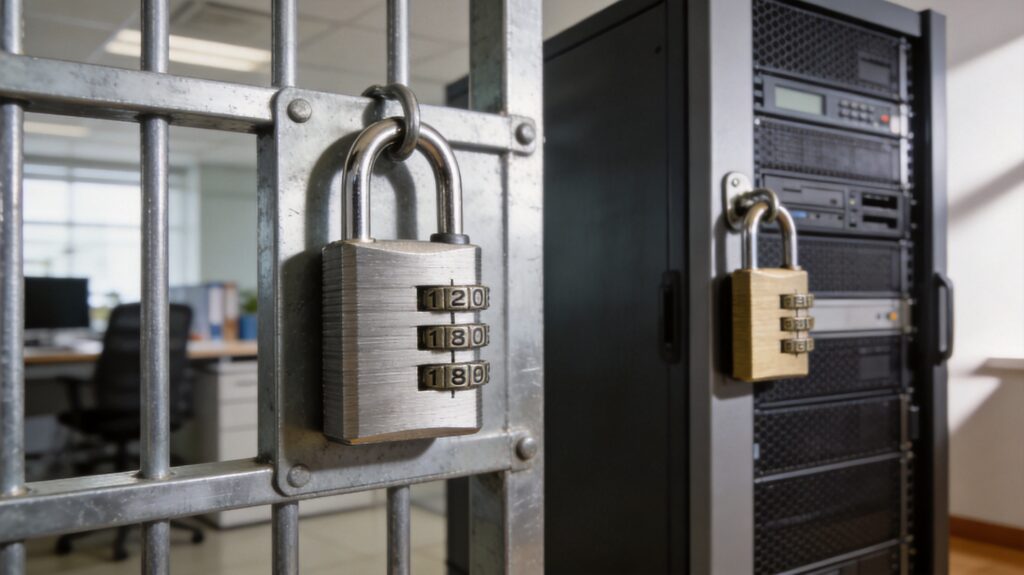
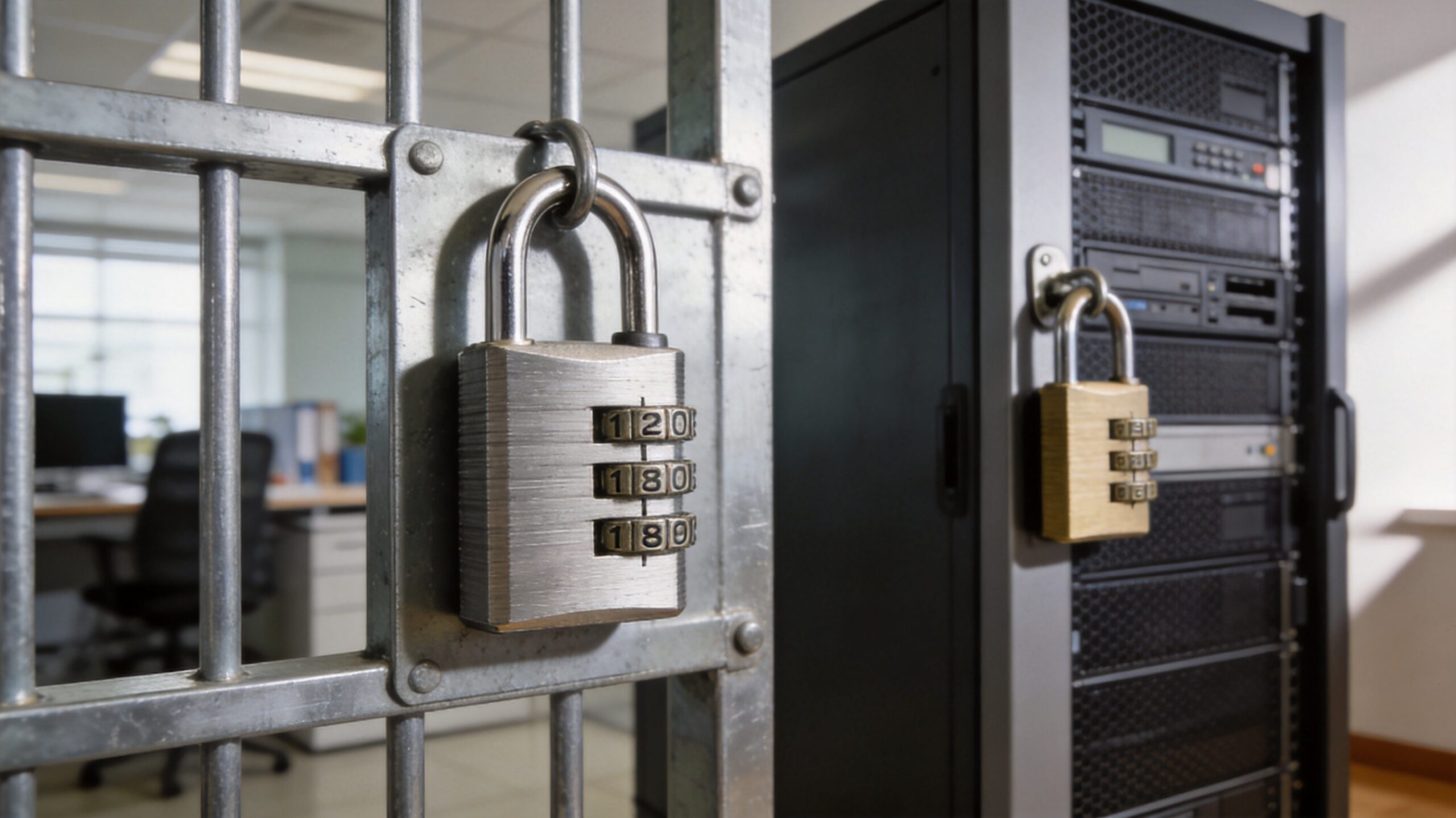
When it comes to protecting business assets, the humble combination padlock often plays a bigger role than many procurement managers realize. From warehouse gates to server cabinets, a dependable locking mechanism safeguards inventory, equipment, and sensitive data. While keyed and smart locks certainly have their place, the combination padlock remains a staple for its simplicity, cost-effectiveness, and zero-key management. However, not all combination padlocks are created equal. Choosing the wrong model can lead to security gaps, operational downtime, and unnecessary replacement costs. This buyer’s guide breaks down the essential factors every B2B purchaser should evaluate before making a bulk investment.
Why Material Choice Matters in a Combination Padlock
The body material of a combination padlock is the first line of defense against both physical attacks and environmental wear. Selecting the wrong material can compromise security and shorten the product’s lifespan.
Brass vs. Aluminum vs. Zinc Alloy: Key Differences
Brass combination padlocks offer excellent corrosion resistance and a classic, professional appearance. They are softer than steel, making them easier to drill through, but they are ideal for indoor applications where aesthetics and rust prevention matter. Aluminum padlocks are lightweight and naturally resistant to oxidation, but they are less durable under heavy physical abuse. Zinc alloy padlocks are the most common choice for commercial use because they strike a balance between cost, hardness, and corrosion resistance. Many zinc alloy bodies are also coated with a protective layer, such as nickel or powder coating, to enhance durability. For a closer look at specific brass models, you can explore our brass combination padlock options that are well-suited for indoor business environments.
Corrosion Resistance and Outdoor Durability
If your combination padlock will be exposed to rain, saltwater, or chemical environments, material selection becomes even more critical. For outdoor applications, look for padlocks with a weatherproof coating and a hardened steel shackle that is zinc-plated or stainless steel. A brass body with a stainless steel shackle is often the best choice for coastal or high-humidity environments. For general industrial use, a zinc alloy body with a coated steel shackle provides a solid balance of security and weather resistance without breaking your budget. For a deeper dive into material properties, this industry reference from AZoM offers valuable technical insights.
Matching Padlock Specifications to Your Security Needs
Beyond the body material, the physical dimensions and locking mechanism specifications must align with your specific application.
Shackle Size, Clearance, and Diameter
The shackle is the U-shaped loop that fits through the hasp or chain. You need to measure the shackle’s horizontal clearance (the inside width) and vertical clearance (the inside height) to ensure it fits your locking points. The shackle diameter is equally important—a thicker shackle (typically 5/16 inch or 8 mm) resists cutting and prying better than a thinner one. For high-security applications, look for hardened boron alloy shackles that resist sawing and bolt cutters.
Combination Length and Reset Options
Combination padlocks typically feature 3, 4, or 5 dials. A 3-dial lock offers 1,000 possible combinations, which is sufficient for low-risk areas like locker rooms. A 4-dial lock provides 10,000 combinations, making it the industry standard for commercial use. For higher security, consider a 5-dial lock with 100,000 combinations. Equally important is whether the combination can be reset. Many commercial-grade padlocks allow you to set your own combination, which is essential if you need to rotate codes after staff turnover or security incidents. Our aluminum combination padlock series includes resettable models that are popular for indoor commercial applications.
Use Cases Across Business Environments
Different business environments demand different features from a combination padlock. Understanding your specific use case helps narrow down the options.
Warehouses, Storage Units, and Fleet Operations
In warehouses and storage facilities, combination padlocks are used on roll-up doors, cages, and trailer hitches. These environments require padlocks that can withstand frequent use, harsh weather, and occasional impacts. Look for models with a rugged zinc alloy body, a hardened steel shackle, and a smooth dial mechanism that operates reliably even with gloved hands. For fleet operations, a padlock with a longer shackle is useful for securing trailer doors and kingpins. Our zinc alloy combination padlocks are engineered for heavy-duty commercial use in demanding environments.
Office Lockers, Tool Cages, and IT Equipment
Indoor applications like office lockers and tool cages prioritize ease of use and access control over brute-force resistance. A compact combination padlock with a 4-dial mechanism is ideal here. For IT equipment racks and server cabinets, consider a padlock with a shorter shackle to minimize leverage points for tampering. Some businesses prefer keyless padlocks for these applications to eliminate the risk of lost keys and to simplify access for multiple employees.
Combination Padlock vs. Keyed and Smart Locks
Choosing between a combination padlock, a keyed padlock, or a smart lock depends on your operational priorities.
Cost, Convenience, and Access Control Trade-offs
Keyed padlocks are generally cheaper upfront, but they carry hidden costs: key replacement, lock re-keying, and the administrative burden of tracking keys. Smart locks offer audit trails and remote management, but they require batteries, network connectivity, and a significantly higher upfront investment. A combination padlock sits comfortably in the middle. It eliminates key management entirely, requires no power source, and offers a moderate level of security at a low cost per unit.
When to Choose a Combination Padlock Over Alternatives
Choose a combination padlock when you need a simple, reliable, and cost-effective solution for securing assets that do not require individual user accountability. If you have more than 20 employees needing access to a shared area, a combination padlock is far more practical than issuing keys. However, if you need to track who accessed a specific asset at a specific time, a smart lock or keyed lock with a logbook is a better choice. For a comprehensive comparison of locking technologies, this technical reference from Engineering360 provides detailed specifications and standards.
Sourcing and Bulk Procurement Considerations
When purchasing combination padlocks in bulk, the supplier you choose is just as important as the product itself.
Evaluating Suppliers and Certifications
Look for suppliers that provide clear product specifications, including material grades, shackle hardness, and testing standards. Reputable manufacturers will offer padlocks that meet ANSI/BHMA Grade 1 or Grade 2 standards for commercial use. Ask for samples before placing a large order, and verify that the supplier has consistent quality control processes. Check for certifications like ISO 9001 for manufacturing quality and REACH or RoHS compliance for environmental safety. As a manufacturer with extensive experience, we understand the importance of transparent specifications and rigorous quality assurance.
Custom Branding and Master Combination Options
Many B2B buyers require custom branding on padlocks for corporate identity or asset tracking. Some manufacturers offer laser engraving or custom-colored dials. Additionally, consider whether you need a master combination system. In this setup, each padlock has a unique combination for daily use, but a supervisor can open any lock with a master code. This is particularly useful for security audits and emergency access.
Implementation and Maintenance Best Practices
Once you have selected the right combination padlock, proper implementation and maintenance will extend its lifespan and maintain security.
Training Staff on Combination Management
Establish a clear policy for combination distribution. Avoid using obvious codes like birthdates or sequential numbers. Consider a system where combinations are changed quarterly or after any employee departure. Train staff on how to properly spin the dials to scramble the code after unlocking, as this prevents others from reading the combination from the dial positions.
Routine Cleaning and Lubrication Tips
Combination padlocks accumulate dust, dirt, and moisture over time, which can cause the dials to stick or the internal mechanism to jam. Clean the dials and shackle with a dry cloth weekly. Apply a small amount of graphite powder or a PTFE-based dry lubricant to the shackle and dial mechanism every few months. Avoid using oil-based lubricants, as they attract dust and can gum up the internal components.
Frequently Asked Questions for Business Buyers
Can Combinations Be Reset or Reassigned?
It depends on the model. Many commercial-grade combination padlocks feature a reset function that allows you to set a new combination using a small tool or a specific sequence of dial rotations. Some budget models are factory-set and cannot be changed. For business use, always choose resettable models to maintain control over access.
What Is the Typical Lifespan of a Commercial Padlock?
With proper maintenance, a high-quality commercial combination padlock can last anywhere from 3 to 7 years in outdoor environments and 10 years or more indoors. The lifespan depends on the material quality, frequency of use, and exposure to harsh conditions. Zinc alloy and brass bodies with hardened steel shackles offer the best longevity. Regular cleaning and lubrication will significantly extend the operational life of your padlocks.
Selecting the right combination padlock for your business is a matter of matching materials, specifications, and features to your specific operational demands. By prioritizing corrosion resistance, shackle strength, and resettable combinations, you can secure your assets without the administrative headache of key management. When sourcing in bulk, partner with reputable suppliers who offer certifications and customization options. With proper implementation and routine maintenance, a quality combination padlock will provide years of dependable service, protecting your business assets at a fraction of the cost of electronic alternatives. If you have specific requirements or need assistance choosing the right model, feel free to contact our team for expert guidance.