
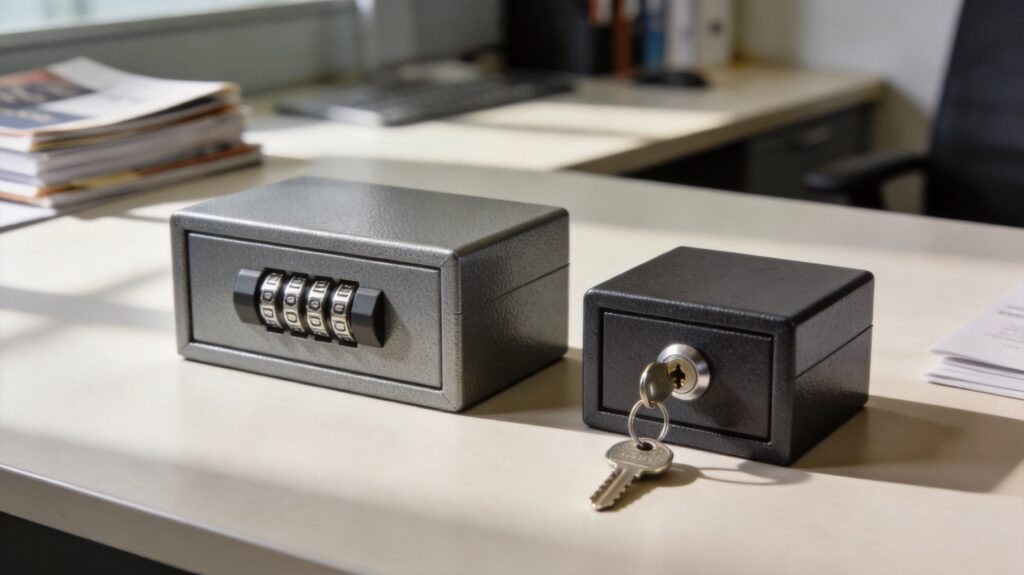
Combination Lock Box vs. Key Lock Box: Which Is Better for Your Facility?
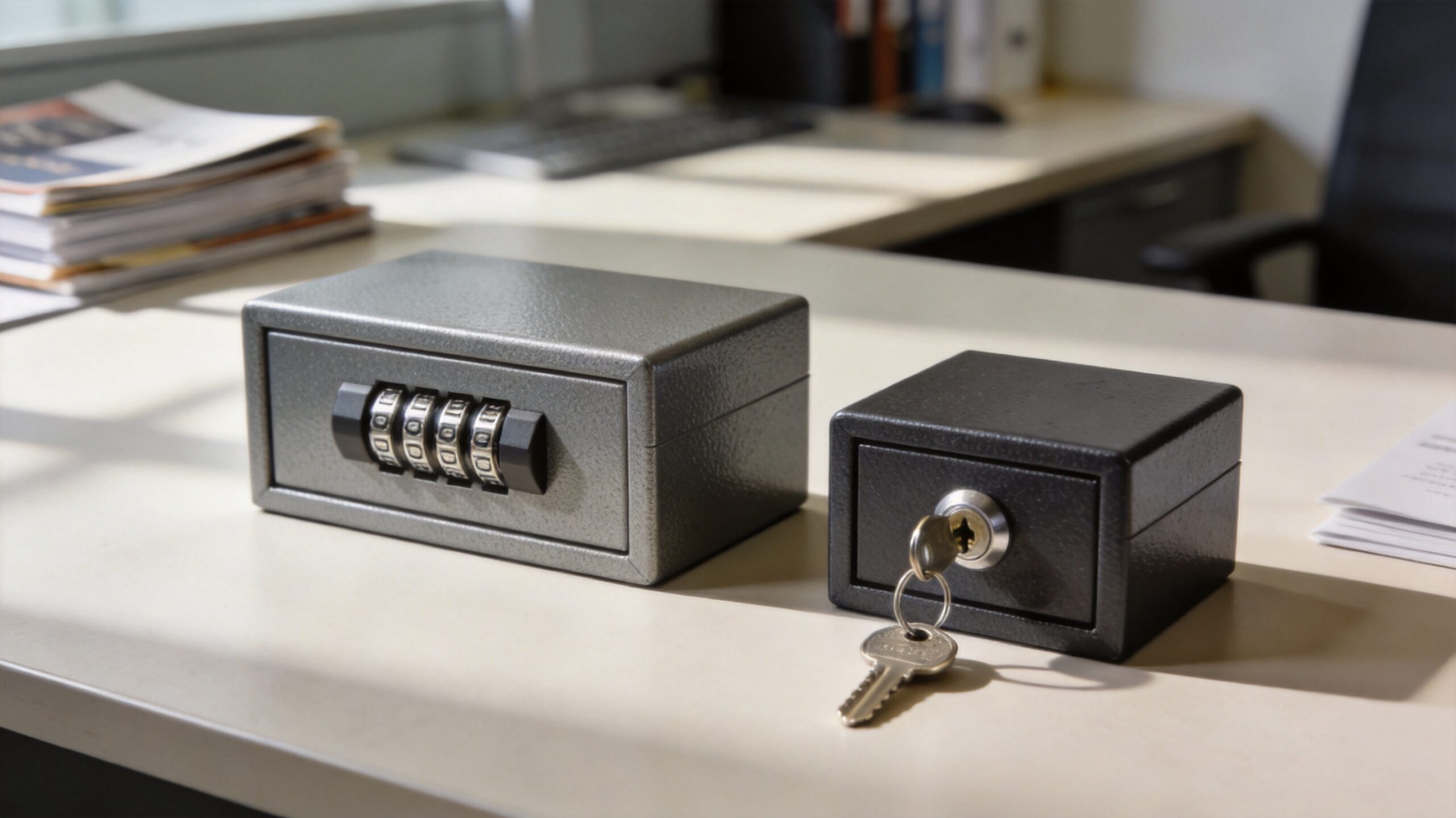
The humble lock box is often an afterthought in facility management—until a security breach or operational bottleneck forces it into the spotlight. For commercial facilities, the choice between a combination lock box and a key lock box directly impacts daily workflows, security posture, and long-term operating costs. Facility managers must evaluate not just the initial purchase price, but the total cost of ownership, including replacement cycles, staff downtime, and liability exposure. A poorly chosen lock box can create vulnerabilities that undermine even the most sophisticated access control strategy.
Unsecured keys left in unlocked drawers, under doormats, or on shared hooks represent a significant security gap. In multi-tenant buildings, industrial sites, and healthcare facilities, unauthorized key access can lead to theft, vandalism, or even safety incidents. A lock box provides a controlled point of access, but only if the box itself offers adequate tamper resistance and auditability. Key lock boxes, while familiar, often lack the ability to track who accessed the keys and when—a critical deficiency for compliance-driven industries.
Every lost or duplicated key triggers a costly chain reaction: rekeying cylinders, replacing locks, and reissuing credentials. For a facility with hundreds of doors, the cumulative expense can reach thousands of dollars annually. A combination lock box mitigates this by eliminating physical keys for shared access points, while a key lock box may actually accelerate replacement cycles if keys are frequently misplaced. Understanding these lifecycle costs is essential for making a defensible procurement decision.
Combination Lock Box: Key Features and Limitations
A combination lock box uses a numeric code—either mechanical or electronic—to grant access. This design removes the need for physical keys at the point of use, which can streamline operations for facilities with high staff turnover or multiple shifts.
Mechanical combination lock boxes rely on rotating dials or push-button sequences. They require no batteries and are highly reliable in extreme temperatures, making them suitable for outdoor installations. However, they offer limited audit capabilities and can be slow to operate under pressure. Electronic combination lock boxes, by contrast, feature keypads, Bluetooth connectivity, and digital logs. They enable remote code management, time-based access, and integration with broader security systems—but they depend on battery life and may be vulnerable to electronic tampering.
Commercial-grade combination lock boxes are typically constructed from hardened steel or zinc alloy, with weather-sealed keypads and corrosion-resistant finishes. For facilities in coastal or industrial environments, this durability is a decisive advantage. Mechanical models generally outperform electronic ones in extreme cold or heat, though modern electronic units are increasingly ruggedized for outdoor use.
The primary value proposition of a combination lock box is the elimination of physical key management. Facility managers can change codes instantly when an employee departs, without rekeying locks or collecting keys. This is particularly valuable for shared assets like fleet vehicles, equipment storage, and utility rooms. However, codes can be shared unintentionally, and without audit trails, it may be difficult to identify who accessed the box at a specific time. For a deeper look at available options, explore our range of combination lock boxes designed for various facility needs.
Key Lock Box: Key Features and Limitations
The traditional key lock box operates with a standard key, often a master key or a restricted keyway system. It is simple, familiar, and requires no training—but it carries inherent risks.
For facilities with low-tech workforces or occasional users, a key lock box offers frictionless operation. There is no code to memorize, no battery to replace, and no digital interface to navigate. This simplicity can reduce training time and minimize user error, particularly in emergency situations where speed is critical.
The greatest weakness of a key lock box is the key itself. Keys can be duplicated at any hardware store, lost on a job site, or borrowed and never returned. Once a key is compromised, the entire lock box—and every key it contains—is at risk. Restricted keyway systems can mitigate duplication, but they come at a premium and still cannot prevent loss or theft.
The security of a key lock box depends entirely on the quality of its lock cylinder. Low-cost cylinders can be picked or bumped in seconds, rendering the box useless as a security barrier. High-security cylinders, while more resistant, add significant cost. When a cylinder fails or a key is lost, replacement requires either a locksmith visit or a full box replacement—both of which incur downtime and expense.
Head-to-Head Comparison: Combination vs. Key Lock Boxes
Combination lock boxes, especially electronic models, generally offer superior tamper resistance. They lack a keyhole that can be picked, and many include anti-shim plates and pry-resistant hinges. Key lock boxes, by contrast, are only as secure as their cylinder. A determined intruder with basic lockpicking tools can compromise a standard key lock box in under a minute.
For high-frequency access, a combination lock box is faster and more convenient. Staff do not need to carry keys, and codes can be rotated without physical intervention. Key lock boxes require the user to carry and manage a key, which adds friction and creates opportunities for loss. In facilities with multiple access points, the time savings of combination systems compound significantly.
Mechanical combination lock boxes have minimal maintenance needs and a long lifespan. Electronic models require periodic battery replacement but offer remote diagnostics and reduced physical inspection. Key lock boxes, while cheap upfront, incur ongoing costs for key replacement, cylinder rekeying, and locksmith services. Over a five-year horizon, a combination lock box often proves more cost-effective. For a detailed technical reference on lifecycle cost analysis, consult engineering resources.
Best Use Cases for Each Lock Box Type
Choose a combination lock box for outdoor installations, high-turnover environments, or facilities with multiple shared access points. It is ideal for real estate management, construction sites, and fleet operations where keys are frequently handed off and codes must be changed regularly. Electronic models are particularly well-suited for facilities that require audit trails or integration with existing security software.
A key lock box may be appropriate for low-security, low-traffic areas such as storage closets, seasonal equipment sheds, or residential-style units within a larger commercial property. It is also a practical choice for facilities with staff who are not technically proficient or where budget constraints are severe.
Many large facilities benefit from a hybrid approach: combination lock boxes for high-risk or high-traffic zones, and key lock boxes for low-risk areas. This strategy balances security investment with operational convenience, allowing facility managers to allocate resources where they matter most.
Sourcing and Compliance Considerations for Facility Managers
Before purchasing lock boxes, verify compliance with relevant standards such as UL 1037 (anti-theft) or ASTM F883. For facilities in regulated industries—healthcare, education, or government—certification may be mandatory. Ensure that the chosen product meets or exceeds these requirements to avoid liability issues. Consult an industry reference for material standards and testing protocols.
When sourcing lock boxes, evaluate vendors on more than price. Consider warranty terms, replacement part availability, and technical support. Bulk purchasing can yield significant discounts, but only if the product is reliable. Request samples and conduct internal testing before committing to large orders.
Electronic combination lock boxes can often integrate with existing access control platforms via Wi-Fi, Bluetooth, or hardwired connections. This enables centralized management of codes, real-time alerts, and automated audit logs. Verify compatibility with your current systems before purchase to avoid costly retrofits.
Implementation Best Practices and Staff Training
Install lock boxes at consistent heights and locations to minimize user confusion. For outdoor units, ensure they are shielded from direct rain and extreme sunlight. Use tamper-resistant mounting hardware and consider adding a secondary anchor point for high-value assets.
Establish clear protocols for code rotation, key issuance, and incident reporting. For electronic combination lock boxes, enable audit logs and review them regularly. For key lock boxes, maintain a physical log of who checked out keys and when. These practices create accountability and support compliance audits.
Provide hands-on training for all staff who will use the lock boxes. Cover code entry, troubleshooting common issues, and emergency procedures. For electronic models, include instructions on battery replacement and how to report malfunctions. Regular refresher training reduces user error and extends equipment lifespan.
FAQs: Choosing the Right Lock Box for Your Facility
Yes. Mechanical combination lock boxes can be reset by following the manufacturer’s instructions, typically by entering a master code or using a reset tool. Electronic models allow code changes via the keypad or a connected app. This flexibility is a key advantage over key lock boxes, which require physical rekeying.
If a key lock box key is lost, the box is compromised. You must either rekey the cylinder (which requires a locksmith) or replace the entire unit. This process is costly and time-consuming. Some facilities mitigate this by using restricted keyways, but even these cannot prevent loss.
For most commercial facilities, yes. Electronic combination lock boxes offer remote management, audit trails, and integration capabilities that reduce long-term labor costs and improve security. If your facility has multiple access points or high staff turnover, the return on investment is typically realized within 12 to 18 months.